
Table of Contents
- Why a Weekend Plan Beats Spontaneity (Sometimes)
- How to Plan a Weekend Trip Without the Overwhelm
- 7 Good Weekend Plans for Every Energy Level
- Outdoor Weekend Adventure Gear: What You Actually Need
- Solo vs. Group Weekends: How to Adapt Your Plans
- Seasonal and Location-Specific Weekend Planning
- Conclusion: Your Next Weekend Starts Now
- Frequently Asked Questions
Last Updated: September 23, 2026
Why a Weekend Plan Beats Spontaneity (Sometimes)
Good weekend plans start with a simple truth: rest works better when you aim it. A weekend plan is a loose schedule of activities chosen on purpose, not a rigid timetable. It gives your two free days shape without killing the fun.
This guide from ShopOutdoorsy breaks down seven plans for every energy level. We also cover how to plan a weekend trip without the stress. Below, you'll find a simple system you can reuse every week.
Spontaneity still has a place. A free Saturday with nothing booked can feel like a gift. But most people waste that gift scrolling or running errands. A light plan turns open time into real downtime.
So the goal isn't a packed calendar. It's a short list of things you actually want to do.
How to Plan a Weekend Trip Without the Overwhelm
The best way to plan a weekend trip is to decide three things in advance: where you're going, when you're leaving, and what you'll eat. Everything else can stay flexible.
That's it. Most planning stress comes from trying to solve every detail at once.
The 3-Step Weekend Planning Strategy
- Pick your anchor. Choose one main activity, like a hike, a dinner, or a museum visit.
- Block the basics. Set rough times for travel, meals, and sleep. Leave gaps between them.
- Prep the night before. Pack bags, charge devices, and check the weather. Ten minutes now saves an hour later.
Balancing Productivity and Rest
A good weekend holds both work and rest, but not in equal measure. Try a 70/30 split: 70% rest and fun, 30% chores and errands.
- Group errands into one block, not all day
- Do the hardest task first thing Saturday morning
- Keep Sunday evening free for downtime
7 Good Weekend Plans for Every Energy Level
Seven plans, ranked by how much energy they take. Pick one that matches your mood, not your guilt.
| Plan | Energy Level | Best For | Typical Time |
|---|---|---|---|
| Outdoor adventure | High | Active groups | Half to full day |
| Socializing | Medium | Friends and family | 2-4 hours |
| Self-care and rest | Low | Burnt-out weeks | Full day |
| Creative hobbies | Medium | Solo or small groups | 1-3 hours |
| Cooking and food | Low to medium | Couples and families | 2-3 hours |
| Budget-friendly outings | Low | Tight budgets | Varies |
| Digital detox | Low | Screen fatigue | Half day |
Active Outdoor Adventures
Outdoor recreation tops the list for a reason: fresh air and movement reset your head. A hike, a bike ride, or a long stroll works.
You don't need a mountain.
- Morning hikes beat afternoon ones in summer heat
- Cycling covers more ground than walking
- A simple stroll counts as movement too
Socializing and Community Engagement
Time with friends and family lowers stress in a way solo plans can't. Keep it simple: a backyard BBQ, a board game night, or a walk with a neighbor.
Relaxation and Self-Care Techniques
Self-care isn't a spa day. It's whatever helps you recharge. For some people that's a book and a bath. For others it's a long nap.
- Sleep in without an alarm
- Try ten minutes of mindfulness or deep breathing
- Take a slow morning with no phone
Creative Hobbies and Home Projects
A creative outlet gives your brain a different kind of work. Paint, write, garden, or build something.
Culinary Experiences and Cooking
Cooking is one of the cheapest and most rewarding weekend plans. Pick a recipe you've never tried. Invite someone to help.
- Try a farmers market run
- Bake bread or make pasta from scratch
- Cook one dish from a country you want to visit
Budget-Friendly and No-Spend Ideas
A no-spend weekend can be just as fun as an expensive one. The trick is planning ahead so boredom doesn't push you to the shops.
- Library runs for books and movies
- Free museum days and local festivals
- Picnics with food you already own
Digital Detox and Mindfulness
A digital detox is a set period, often a few hours or a full day, where you avoid screens on purpose. It's one of the fastest ways to feel restored.
- Put your phone in another room
- Take a walk without headphones
- Sit outside with a cup of tea and nothing else
Outdoor Weekend Adventure Gear: What You Actually Need
Outdoor weekend adventure gear is the equipment you bring on short trips, like day hikes and car camping. You need less than you think. A few dependable items cover most weekends.
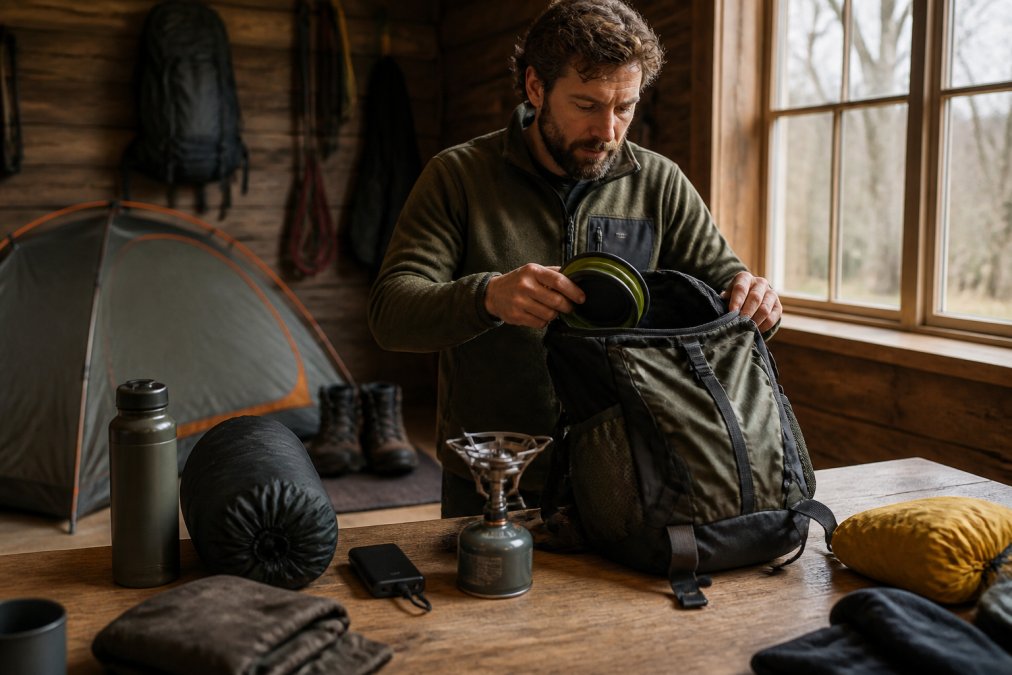
Gear for You, Your Pet, and Your Tech
- For you: a daypack, a water bottle, a rain shell, and broken-in shoes
- For your pet: a travel bowl, a sturdy leash, and a pet carrier built for trails
- For your tech: a portable charger, a headlamp, and a dry bag for your phone
If you're coming from buying each item from a different store, expect one clear win: everything arrives ready to use together. Packing takes minutes, not an afternoon.
Solo vs. Group Weekends: How to Adapt Your Plans
Solo weekends and group weekends need different plans. Solo trips favor flexibility and quiet. Group trips need a shared anchor and a clear meeting time. Most weekend advice ignores this split, but the same plan that energizes an extrovert can drain an introvert, and vice versa.
Solo Weekend Plans
For solo time, keep plans open. Pick a direction and wander. The goal is low friction, so you can change your mind without checking with anyone.
- Introvert-friendly solo: a long bookstore browse, a solo museum visit with headphones, a slow cooking project, a day hike on a quiet trail. These plans restore energy because they minimize social performance.
- Extrovert-friendly solo: a coffee shop with a book, a group fitness class, a volunteer shift, a meetup for a hobby. These plans give you people contact without the pressure of hosting.
Group Weekend Plans
For groups, lock in one activity and one meal. Let the rest stay loose. Someone will always run late.
- Introvert-friendly group: a small dinner at home, a board game night with three or four people, a walk with one friend. Keep the group small and the setting quiet.
- Extrovert-friendly group: a potluck, a trivia night, a group hike, a local festival. These plans thrive on energy and numbers.
The Logistics That Make or Break a Group Weekend
- One anchor, one meal. Decide the main activity and one shared meal. Everything else is optional.
- A clear meeting time and place. "Saturday at 10 a.m. at the trailhead" beats "Saturday morning."
- A backup plan. If the weather turns, have a indoor option ready.
- A solo escape hatch. Introverts in a group often need 30 minutes alone. Build that into the day without making it a big deal.
Seasonal and Location-Specific Weekend Planning
Seasonal planning changes everything. Summer favors water, shade, and early starts. Winter favors cozy indoor plans and short outdoor windows. Spring and fall are the sweet spots for hiking and cycling.
Urban vs. Rural Accessibility
City dwellers have options within walking distance: parks, markets, museums, and cafés. Rural weekends trade convenience for space and quiet.
- Urban: transit-friendly, book ahead for popular spots
- Rural: check fuel, cell signal, and drive times
Parent-Specific Weekend Planning
Parents need plans that survive interruptions. Build in buffer time and pick activities kids can join or skip.
- Morning outings beat afternoon ones for young kids
- Pack snacks and a change of clothes, always
- Trade off solo time with a partner
Conclusion: Your Next Weekend Starts Now
The hardest part of a good weekend isn't the plan. It's picking one and letting the rest go.
Frequently Asked Questions
What are some low-cost ways to spend a weekend?
Try a no-spend weekend built around free local activities. Go for a hike or a long stroll in a nearby park, pack a picnic instead of eating out, and borrow books or games from the library. You can also plan a home-based creative project, like baking bread or starting a container garden, using supplies you already own. The goal is to recharge without opening your wallet.
How do you plan a weekend trip without getting overwhelmed?
Keep it to three decisions: where you're going, what you'll do, and what you'll bring. Pick a destination within a two-hour drive, choose one main activity per day, and use a simple checklist for gear. Don't over-schedule. Leave room for spontaneity, whether that's a roadside stop or an extra hour at the campsite. The best weekend plans are flexible.
What outdoor weekend adventure gear should I pack for a short trip?
For a standard weekend adventure, pack layers for changing weather, a reliable tent or hammock, a headlamp, a portable charger, and a first-aid kit. If you're bringing a dog, include a tough travel bowl, a leash, and waste bags. For tech, a multi-tool and a waterproof phone pouch are worth the space. ShopOutdoorsy carries these essentials in one place.
How can I balance productivity and relaxation on the weekend?
Block out Saturday morning for errands and chores, then stop by early afternoon. That leaves the rest of the weekend for downtime, hobbies, or socializing. Avoid mixing work tasks into relaxation time. If you must do something productive, make it a small home project you enjoy, like cooking a new recipe. The goal is a clear boundary between doing and recharging.