
Table of Contents
- What Makes a Sleeping Bag Right for Weekend Camping
- Lightweight Sleeping Bag Temperature Rating: Finding Your Comfort Zone
- Down vs Synthetic Sleeping Bag: Which Insulation Works Best
- Sleeping Bag Weight and Packed Size: What Actually Matters
- Budget Lightweight Sleeping Bags: Getting Value Without Compromise
- Fit, Shape, and Features That Make a Difference
- Common Mistakes Weekend Campers Make When Choosing a Bag
- Frequently Asked Questions
Last Updated: October 12, 2026
What Makes a Sleeping Bag Right for Weekend Camping
Lightweight sleeping bags weekend camping requires balancing warmth, packability, and weight in a way that fits short trips away from home.
At ShopOutdoorsy, we focus on helping weekend adventurers find gear that actually gets used, not gear that sits in a closet because it's too heavy or too complicated. The right sleeping bag for your weekend trips depends on three factors: how cold it needs to handle, how much space you have to pack it, and whether you plan to use it with a sleeping pad.
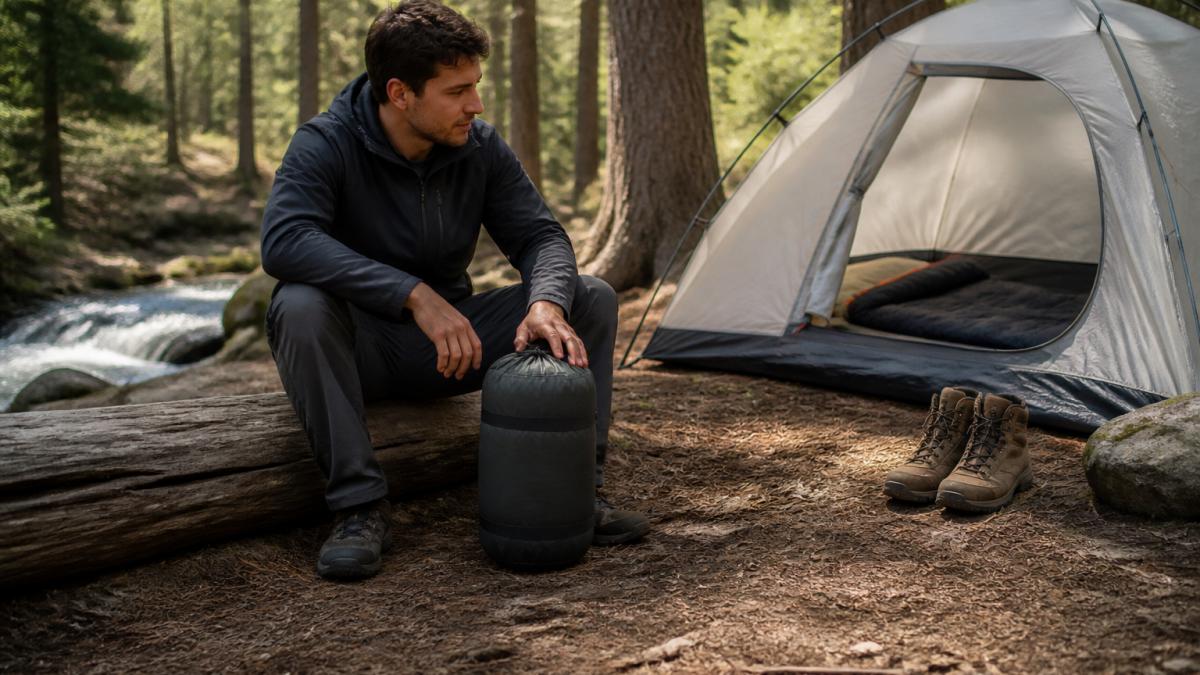
Most people overestimate how warm they need to sleep. A common mistake is buying a bag rated for winter camping when you'll spend 90 percent of your time in spring, summer, and fall. That choice means carrying unnecessary weight on every trip. The smarter approach is picking a three-season bag and adding a sleeping pad underneath, the pad does half the insulation work anyway.
Temperature ratings are where confusion starts. A bag's comfort rating tells you the lowest temperature where an average sleeper stays warm. The limit rating goes lower and represents survival, not comfort. For weekend camping, focus on the comfort rating. If you're cold at night, a pad rated R3 or higher adds real warmth without adding much weight.
Lightweight Sleeping Bag Temperature Rating: Finding Your Comfort Zone
Your sleeping bag's temperature rating is the single most important specification for comfort. A 20-degree bag keeps an average person warm at 20 degrees Fahrenheit. A 40-degree bag works best around 40 degrees. The key is matching the rating to the seasons and locations where you actually camp.
Weekend campers typically use 20-degree to 40-degree bags. A 20-degree bag works for spring and fall trips at higher elevations or in cooler regions. A 40-degree bag handles summer camping and mild spring weekends. If you camp year-round in varied conditions, a 20-degree bag gives you flexibility across more seasons.
The comfort rating assumes you're wearing a base layer and using a sleeping pad with an R-value of at least 2. Without a pad, subtract 10 to 15 degrees from the bag's effectiveness. A 40-degree bag without a pad might only keep you warm down to 50 or 55 degrees. This is why many experienced weekend campers say the sleeping pad is as important as the bag itself.
Cold sleepers should pick a bag rated 10 to 15 degrees colder than the coldest conditions they expect. Warm sleepers can often go 10 degrees warmer. Test your preference by sleeping in a bag at home before committing to a trip, that's the only way to know if you're someone who runs cold or warm at night.
Down vs Synthetic Sleeping Bag: Which Insulation Works Best
Down insulation traps air inside clusters of feathers, creating warmth with minimal weight. Synthetic insulation uses polyester fibers arranged to hold heat similarly. For weekend camping, the choice comes down to weight, packability, and how you'll care for the bag.
Down bags pack smaller and weigh less than synthetic bags with the same warmth rating. A quality down bag rated to 20 degrees might weigh 2.5 pounds packed. A synthetic bag with the same rating often weighs 3.5 to 4 pounds. That difference matters when you're hiking to camp.
The tradeoff is durability and moisture. Down loses insulation when wet, a serious problem if your bag gets soaked. Synthetic insulation retains warmth even when damp, making it safer for unpredictable weather. Many synthetic bags also cost less upfront, which appeals to weekend campers testing whether they'll actually use the gear.
Hydrophobic down splits the difference. It's treated to resist moisture better than regular down while staying lighter than synthetic. Hydrophobic down bags cost more but offer better insurance against humidity and light rain.
Consider your storage space too. A down bag compresses into a stuff sack the size of a loaf of bread. A synthetic bag needs more room. If you're storing gear in a small apartment or car, down's packability is a real advantage.
Sleeping Bag Weight and Packed Size: What Actually Matters
Weight and packed size feel like obvious priorities for lightweight sleeping bags weekend camping, but context matters. A bag that weighs 3.5 pounds is light if you're backpacking five miles to camp. It's unnecessarily heavy if you're car camping and only carrying it 50 feet from your vehicle to your tent.
For backpacking trips, target bags under three pounds. For car camping, bags up to four pounds work fine. The weight difference between a three-pound bag and a four-pound bag is negligible when you're not hiking far, but it matters enormously over five miles.
Packed size is about how small the bag compresses. Most lightweight bags compress to the size of a large loaf of bread or a small duffel bag. Some ultralight bags compress even tighter.
The real consideration is total sleep-system weight. Your bag plus your pad plus your tent stakes and straps add up. A two-pound bag paired with a two-pound pad and a three-pound tent creates a five-pound sleep system. That's realistic for weekend camping. Chasing ultralight at all costs often means buying expensive gear that sacrifices durability or comfort.
Many weekend campers accept a 3.5-pound bag if it means better insulation or more durable materials. The time you save not replacing a worn-out bag pays for the extra weight across many trips.
Budget Lightweight Sleeping Bags: Getting Value Without Compromise
Budget sleeping bags for weekend camping typically cost between $100 and $250. At this price point, you're choosing between entry-level synthetic bags and basic down bags. Both work, the question is what features matter most to you.
7-Color Rechargeable Camping Lantern →
Synthetic bags under $150 offer decent warmth and durability. They're heavier than premium options but often perform well for three-season use. These bags work best for car camping and short backpacking trips where weight isn't critical. Many weekend campers start here and upgrade later if they find themselves using the gear regularly.
Down bags in the $150 to $250 range offer better warmth-to-weight ratios than budget synthetic options. They pack smaller and last longer with proper care. The tradeoff is less moisture resistance and less forgiving storage requirements.
Common mistakes with budget bags include buying too warm a rating (paying for features you won't use), choosing a bag that doesn't fit your body shape (leading to uncomfortable nights and unused gear), and ignoring the sleeping pad entirely (then wondering why the bag doesn't keep you warm).
ShopOutdoorsy recommends reading reviews from people who camp in conditions similar to yours. A five-star review from someone car camping in summer tells you something different than a review from someone backpacking in spring. Match the reviewer's use case to your own.
Fit, Shape, and Features That Make a Difference
Sleeping bag shapes come in three main types: mummy (tapered, warmest), semi-rectangular (versatile), and rectangular (roomiest). Mummy bags are lightest and warmest because they minimize empty space. Rectangular bags are heaviest but give you room to move and let you unzip them as a quilt on warm nights.
For weekend camping, a mummy or semi-rectangular bag works best. Mummy bags excel at backpacking where weight matters. Semi-rectangular bags offer more comfort for car camping without adding much weight. Rectangular bags are heavier and less efficient, avoid them if you're prioritizing lightweight gear.
Fit matters more than most people realize. A bag that's too roomy around your torso wastes insulation trying to heat empty space. A bag that's too tight restricts movement and creates discomfort. Most manufacturers offer different sizes. If you're over six feet tall, look for long-size bags.
Features like draft collars, hoods, and footboxes add warmth and weight. A draft collar reduces heat loss around your neck. A hood keeps your head warm. A footbox creates a pocket for your feet. These features matter most in cold conditions. For summer camping, they add unnecessary weight.
Zipper quality affects durability. A quality zipper lasts through dozens of trips. A cheap zipper snags and breaks. This is one area where spending slightly more pays off across years of use. Test the zipper before buying if possible.
Common Mistakes Weekend Campers Make When Choosing a Bag
The biggest mistake is buying based on price alone without considering how you'll actually use the bag. A $80 bag sounds appealing until you realize it weighs five pounds or compresses poorly.
Another common error is ignoring the sleeping pad. Many people buy an excellent bag but use it on bare ground or a thin foam pad. The ground steals heat from underneath, making the bag feel colder than its rating.
Choosing the wrong temperature rating is the third major mistake. A winter-rated bag for someone who camps only in summer wastes money and adds weight. A summer-only bag for someone who camps in spring and fall means cold nights.
Many weekend campers also buy bags that don't fit their body. A bag sized for someone six feet tall will be inefficient for someone five and a half feet tall. Sleeping in a bag that's too big or too small creates discomfort and reduces warmth.
Finally, people often skip the sleeping pad because they think the bag alone is enough. This is false economy. A $100 bag with a $60 pad outperforms a $200 bag used without a pad. The pad does half the insulation work.
Choosing the right lightweight sleeping bag for weekend camping comes down to matching the bag's warmth rating to your actual use, pairing it with a quality sleeping pad, and prioritizing features that fit your body and camping style.
Frequently Asked Questions
What temperature rating should I choose for a lightweight sleeping bag for weekend camping?
Choose a temperature rating 10-15°C below your expected lowest overnight temperature. For spring and autumn weekend trips, a 5°C comfort rating works well. Summer camping suits 10-15°C bags. Winter weekends need 0°C or lower. Remember that temperature ratings are conservative; side sleepers and those who run cold should pick a bag rated 5°C warmer than the forecast low. Pairing your bag with an insulated sleeping pad (R-value 3+) significantly improves warmth without adding weight.
Is down or synthetic insulation better for a lightweight sleeping bag?
Down offers superior warmth-to-weight ratio and compresses smaller, making it ideal for backpacking and tight packing. Synthetic insulation retains warmth when wet, dries faster, and costs less, making it practical for weekend trips near water or in unpredictable weather. Hydrophobic down splits the difference: it resists moisture while keeping weight low. For car camping weekends where pack weight matters less, synthetic is often the better value. For ultralight backpacking weekends, down wins on packability.
How much should a lightweight sleeping bag weigh for weekend camping?
A practical lightweight bag for weekend trips weighs 800-1,200 grams (28-42 ounces). Ultralight options drop to 600-800 grams but cost significantly more. Three-season bags typically fall in the 1,000-1,500-gram range. Total sleep-system weight (bag plus pad) matters more than the bag alone. A 1,000-gram bag paired with a 500-gram pad totals 1,500 grams, still reasonable for a weekend pack. Prioritize packability and warmth-to-weight ratio over absolute weight unless you're covering long distances on foot.
What sleeping bag features are most important for weekend camping?
Look for a draft collar (seals heat around your neck), a functional hood (protects your head without excess bulk), and a footbox (prevents heat loss at your feet). Water-resistant shell fabric and a smooth, reliable zipper prevent moisture and frustration. Mummy-shaped bags offer better warmth-to-weight than rectangular designs. Check that your chosen bag fits your sleeping pad's dimensions and R-value to create an effective sleep system. A 15-20-cm-wide footbox accommodates most sleepers comfortably without adding unnecessary weight.