
Table of Contents
- What Reliable Outdoor Gear Actually Means for Beginners
- Essential Camping Gear Checklist: The Foundation
- How to Choose a Hiking Backpack for Beginners
- Footwear, Lighting, and Emergency Essentials
- How to Maintain Outdoor Gear for Long-Term Use
- Gear Rental vs. Buying: Making the Right Choice
- Building Your Reliable Gear Kit Without Breaking the Budget
- Frequently Asked Questions
Last Updated: October 4, 2026
What Reliable Outdoor Gear Actually Means for Beginners
Reliable outdoor gear isn't about having the most expensive equipment or the latest technology.
At ShopOutdoorsy, we focus on curating gear that beginners can trust.
Most beginners make one of two mistakes. They either buy the cheapest option available and discover it fails immediately, or they invest heavily in premium gear designed for expeditions they'll never take.
The key is understanding what "reliable" actually means in context. A headlamp needs to work reliably in the dark. A water filter needs to consistently remove contaminants.
Essential Camping Gear Checklist: The Foundation
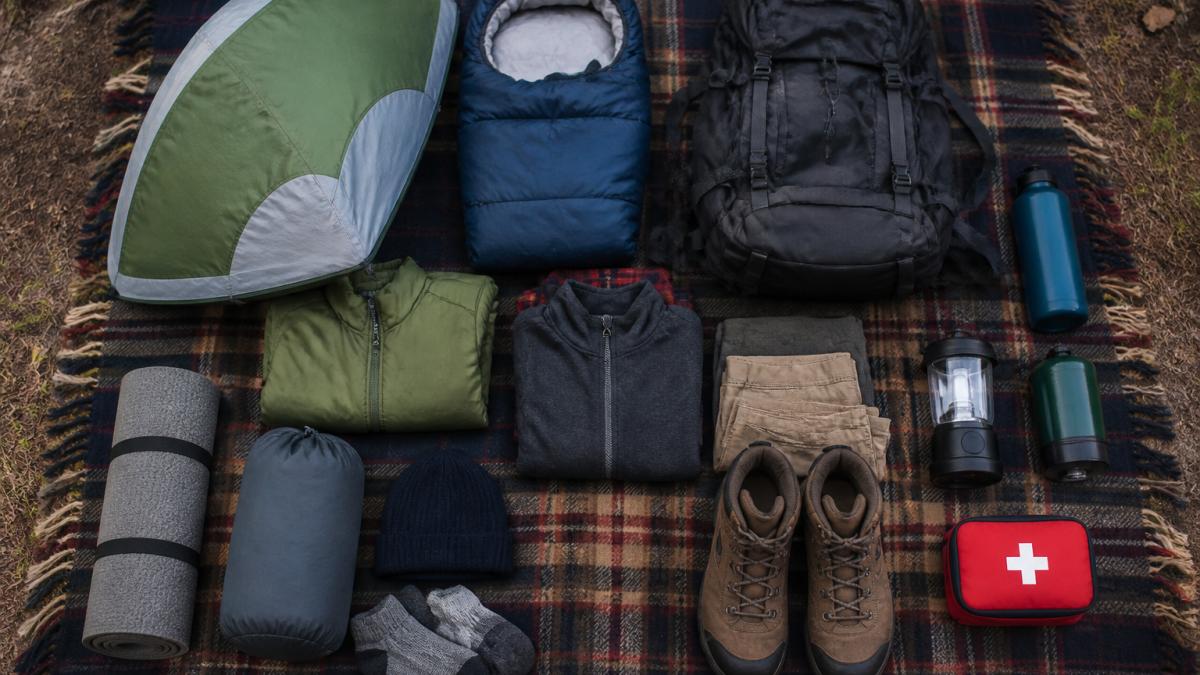
The foundation of any camping trip rests on five core systems: shelter, sleep, clothing, hydration, and navigation. Get these right, and you'll stay safe and comfortable. Neglect any one, and the trip becomes miserable.
Shelter and Sleep System
Your tent is your first line of defense against weather and insects. For beginners, look for a three-season tent with a footprint (ground sheet), which adds durability and extends the tent's life.
A sleeping pad does two critical jobs: insulation and comfort. The R-value indicates insulation strength, higher R-values work better in cold conditions. For most weekend camping, an R-value between 2 and 4 provides adequate insulation.
Your sleeping bag should match the seasons you'll actually use it. A 20-degree bag works for three-season camping in most climates.
Clothing and Layering for Variable Weather
The layering system prevents hypothermia and keeps you comfortable as temperatures swing throughout the day. Three layers work: base layer (moisture-wicking), mid-layer (insulation), and outer layer (wind and water protection).
Base layers pull sweat away from your skin. Merino wool or synthetic materials work best, avoid cotton, which holds moisture and causes rapid heat loss. Mid-layers trap warm air.
Bring more socks than you think you need. Blister prevention starts with dry feet. Wool socks manage moisture better than cotton.
Hydration and Water Filtration
Dehydration sneaks up on beginners. Carry at least two liters of water capacity. A hydration bladder (water reservoir with a drinking tube) makes hydration convenient during movement, while bottles work for camp use.
A water filter removes bacteria and parasites from natural sources. Pump filters are reliable and durable. Squeeze filters are lightweight. Gravity filters work overnight but require setup. For weekend trips, carry a lightweight filter and refill from streams or lakes rather than hauling all water from the trailhead.
Navigation and Safety
Carry a topographic map and compass, even if you use GPS. Maps don't require batteries. Know how to read contour lines and orient the map to terrain. A satellite messenger or personal locator beacon provides emergency communication in areas without cell service.
A first aid kit tailored to your trip prevents minor injuries from becoming trip-enders. Include blister treatment, pain relief, antihistamine for allergic reactions, and any personal medications.
How to Choose a Hiking Backpack for Beginners
Your backpack carries everything. An ill-fitting pack causes shoulder pain, lower back strain, and fatigue that ruins the experience. The right pack distributes weight to your hips, where your body can handle it efficiently.
Capacity and Load Distribution
Backpack capacity is measured in liters. Weekend trips typically require 30-40 liters. A 50-liter pack works for longer trips but feels oversized for day hikes.
Load distribution happens through the suspension system, the frame and straps that connect the pack to your body. An internal frame (most modern packs) keeps weight close to your back.
The hip belt carries 60-80% of pack weight. It should sit on your hip bones, not your waist. Shoulder straps should contact your shoulders without digging in.
Fit and Ergonomic Features
Torso length is the critical measurement. Measure from the base of your spine to the top of your shoulders.
Padding on the hip belt and shoulder straps adds comfort but increases weight. For weekend trips, moderate padding works well. For longer trips, thicker padding prevents shoulder soreness.
Ventilation matters in warm climates. Back panels with mesh or channels allow air circulation. In cold weather, a pack that sits close to your back provides better insulation.
Footwear, Lighting, and Emergency Essentials
Choosing Boots vs. Trail Runners
This choice depends on terrain and personal preference. Hiking boots provide ankle support and protection on rocky terrain. They're heavier and require a break-in period.
For beginners on moderate trails, trail runners work well. They're easier on your feet and lighter to carry.
Whichever you choose, prioritize fit over brand. Your foot should not slide inside the shoe. Blister prevention starts with proper footwear fit. Test shoes on a short hike before committing to a multi-day trip.
Reliable Lighting for Camp and Trail
A headlamp keeps your hands free and lights your path. LED headlamps are reliable, efficient, and affordable. Battery life matters, aim for at least 20 hours on a single charge. The 7-Color Rechargeable Camping Lantern from ShopOutdoorsy provides versatile lighting for camp with multiple color options and rechargeable battery technology, making it practical for both ambient camp lighting and task-specific illumination.
A backup light prevents problems if your primary headlamp fails. A small flashlight or backup headlamp weighs little and provides peace of mind.
First Aid and Emergency Gear
The ten essentials include navigation, sun protection, insulation, illumination, first aid, fire, repair kit, nutrition, hydration, and emergency shelter. Don't skip any.
A personal first aid kit should include blister treatment (moleskin, tape, antibiotic ointment), pain relief, antihistamine, and tweezers for splinters. Add any personal medications. A repair kit with duct tape, cord, and a multi-tool handles most field problems.
7-Color Rechargeable Camping Lantern →
How to Maintain Outdoor Gear for Long-Term Use
Gear lasts longer when you clean and store it properly. Neglect maintenance, and reliable gear becomes unreliable.
Cleaning and Storage Best Practices
Clean your tent after each trip. Dry it completely before storing, moisture causes mold and fabric degradation.
Sleeping bags should be stored loosely, not compressed. Compression damages insulation permanently.
Backpacks benefit from occasional cleaning. Wipe down the exterior with a damp cloth. Empty all pockets and shake out debris.
Boots need regular care. After each trip, remove dirt and dry them at room temperature, never near direct heat, which cracks leather and damages adhesives. Apply waterproofing treatment periodically.
Repair and Replacement Decisions
Small tears in tents can be patched with repair tape or adhesive patches. Larger damage requires professional repair or replacement.
Sleeping pad punctures can be patched with repair kits designed for the specific pad type. Foam pads don't puncture easily and rarely need repair.
Backpack straps that fray can be sealed with fabric glue. Zippers that stick can be cleaned or lubricated.
Know when to replace rather than repair. A pack with damaged suspension strains your back. Reliable outdoor gear means replacing items when they no longer perform reliably.
Gear Rental vs. Buying: Making the Right Choice
Buying everything upfront costs money. Renting lets you test gear before committing. The choice depends on your commitment level and budget.
Renting makes sense if you're testing whether camping is actually for you. A weekend rental costs $30-60 for a tent, $15-25 for a sleeping bag, and $10-20 for a backpack.
Buying makes sense once you've done a few trips and know what you like.
Consider rental for specialized gear you'll use rarely. A winter sleeping bag for one cold-weather trip makes sense to rent.
Building Your Reliable Gear Kit Without Breaking the Budget
Start with shelter, sleep system, and backpack, these are your foundation. Add clothing and hydration next. Navigation and first aid come third. Everything else is optional until you've done several trips.
Start Small and Add Strategically
Buy one quality item at a time rather than everything at once. A good tent costs $150-250 but lasts five years. That's $30-50 per year. Spread your budget across months or seasons.
Focus first on items that directly affect comfort and safety: shelter, sleeping system, footwear. These matter most for beginner trips.
Test gear on short trips before relying on it for longer adventures. A new pair of boots should be broken in on day hikes, not multi-day treks.
Where to Source Used and Sustainable Gear
Used gear marketplaces offer significant savings. Gear that's been used twice and stored properly performs identically to new gear.
Inspect used gear carefully. Check tent seams for leaks by holding it up to light. Test backpack zippers and straps for damage.
Sustainable gear choices reduce environmental impact. Repairing gear extends its life. Buying durable items that last decades is more sustainable than replacing cheap gear annually.
ShopOutdoorsy curates reliable outdoor essentials designed for durability and performance. Our selection focuses on gear that beginners can trust, from proven shelter systems to dependable lighting solutions like the rechargeable camping lantern options available at outdoor retailers.

Building reliable outdoor gear for beginners comes down to matching equipment to actual needs, prioritizing durability over novelty, and maintaining gear properly.
Frequently Asked Questions
What is the best hiking equipment for a beginner?
Start with the ten essentials: a reliable backpack (20-30L capacity), proper footwear, weather-appropriate layers, a headlamp, navigation tools, a water bottle with filtration, a sleeping bag rated for your climate, a tent, a sleeping pad, and a first aid kit. Add a trekking poles set if you plan multi-day excursions. These form the foundation; add specialized gear only after your first few trips reveal what you actually need.
How do I know if outdoor gear is reliable?
Look for gear made from durable materials: ripstop fabric for packs, seam-sealed construction for tents, and moisture-wicking synthetic insulation or down fill power ratings for sleeping bags. Check customer reviews for long-term durability reports, not just first impressions. Test weight-to-performance ratios, reliable gear doesn't need to be the heaviest option. Brands that offer repair services and replacement parts signal confidence in their products.
What is the 3-layer rule for outdoor clothing?
The three-layer system manages moisture and temperature: base layer (moisture-wicking synthetic or merino wool), mid-layer (insulating fleece or synthetic), and hardshell outer layer (waterproof and breathable). This approach prevents sweat from cooling your skin while protecting you from wind and rain. Adjust layers as conditions change, remove or add mid-layers without removing your base or shell.
Should beginners buy expensive gear or budget options?
Invest in items that directly affect safety and comfort: a sleeping bag with proper R-value for your climate, a tent with good seam sealing, and proper footwear. Budget options work for lighter-use items like cooking utensils or storage bags. Mid-range gear from established outdoor retailers often offers the best balance of durability and cost. Avoid the cheapest options in categories where failure creates real problems.
What are the absolute essentials for a first-time camper?
For a single night, you need shelter (tent), sleep system (sleeping bag and pad with appropriate R-value), water and hydration, weather-appropriate clothing with base layers, navigation tools, a headlamp, basic first aid supplies, and fire-starting materials. Leave no trace principles also require waste management supplies. Everything else, cooking equipment, additional clothing, tech gadgets, depends on your specific trip length and location.
Can I use regular clothing for hiking, or do I need technical gear?
Cotton absorbs moisture and loses insulating properties when wet, making it dangerous on longer hikes. Technical base layers with moisture-wicking properties keep you dry and warm. You don't need expensive branded gear everywhere, but your base layer and outer shell should be technical fabrics. Mid-layer insulation can be a regular fleece. Proper footwear matters more than branded clothing overall.
How often should I maintain my outdoor gear?
Clean and dry gear after every trip to prevent mold and material breakdown. Inspect seams and zippers for damage. Store items in cool, dry conditions away from direct sunlight, which degrades synthetic materials. Check sleeping bag loft and tent waterproofing annually. Repair small issues immediately, a small tear becomes a major problem on the trail. Proper maintenance extends gear life by years.
Is renting gear a good option for beginners?
Renting makes sense for your first 2-3 trips to test what you actually need and enjoy before investing. Rental gear is typically trail-tested and well-maintained. However, rental costs add up quickly, a weekend rental might cost $40-80 for a tent and sleeping bag. After 4-5 trips, buying entry-level gear becomes more economical. Rent specialized items (climbing gear, technical equipment) you won't use regularly.